TUBEHO NEZA QUALITATIVE RESEARCH SUMMARY FINDINGS

Independent qualitative research moderated by Prisca Iraguha with Doreen Kayiraba, conducted in May 2022.

Tubeho Neza Qualitative Research Summary Findings

In 2022 DelAgua commissioned an independent qualitative research study to be conducted with 6 groups of respondents. These included:

  • Female stove users who have used the stove for 1-6 months (Musanze District)
  • Female stove users who have used the stove for 2 years (Kamonyi District)
  • Female stove users who have used the stove for 2 years (Muhanga District)
  • Female stove users who have used the stove for >4 years (Burera District)
  • Male stove users who have used the stoves between 6 months and 2 years (Ruhango District)
  • Female non stove users who cook on 3-stone fire (Ruhango District)

The 90-120 minute group discussions were held during w/c 22nd May 2022 and moderated by Prisca Iraguha and Doreen Kayiraba. 
Research Findings - Highlights

Wood Gathering

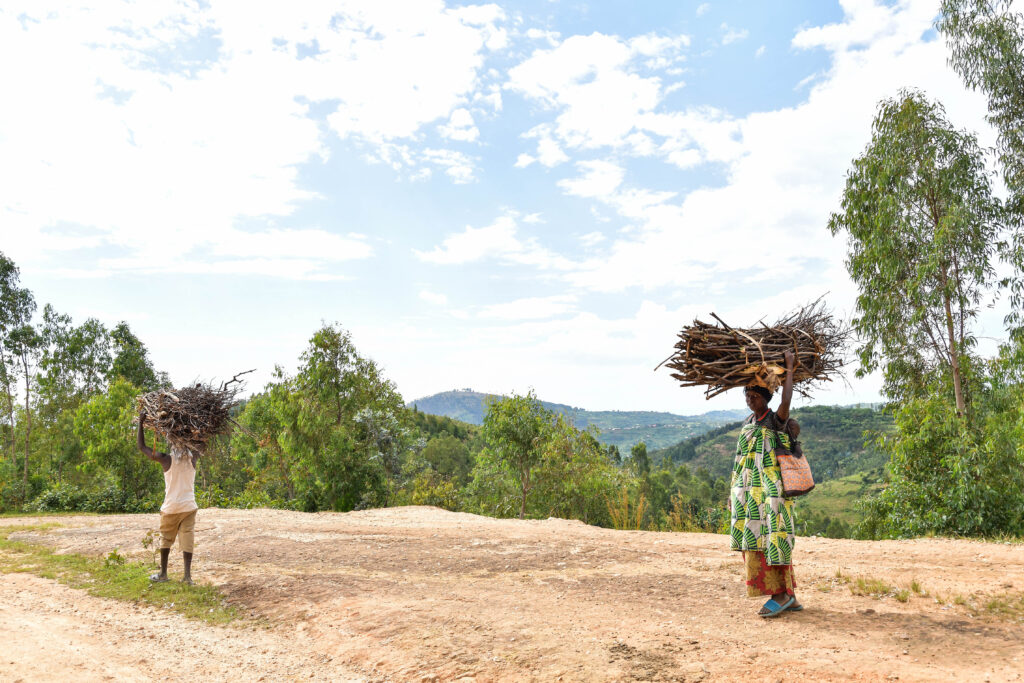
  • The burden of wood gathering for the 3 stone fire was universally seen as time consuming, physically gruelling and dangerous.
  • Because wood is so scarce, finding sufficient wood could take all day and with the 3 stone fire this was a daily task with children usually required to search meaning they missed school.
  • Women reported girls being attacked and assaulted.
  • Snake bites and bee stings are a common occurrence, particularly for children gathering wood. Children injured falling from trees.
  • Non-stove users reported that on occasion they would return with no wood so the family would go without a cooked meal.
  • Families now gather wood just once or twice a week. Non-stove users spend 40 minutes – 4 hours daily, and sometimes all day, gathering wood.

“Sometimes we tell our children to skip school so that they can go and bring firewood which makes them deteriorate in their academics. Children would go climbing trees and end up falling from trees and could break their arms or legs in the name of wood gathering. But now they concentrate on their books and even participate in class because they had the time to revise their books”

Wood Usage

All stove users were emphatic on the significant reduction in
wood fuel usage. Respondents stated:
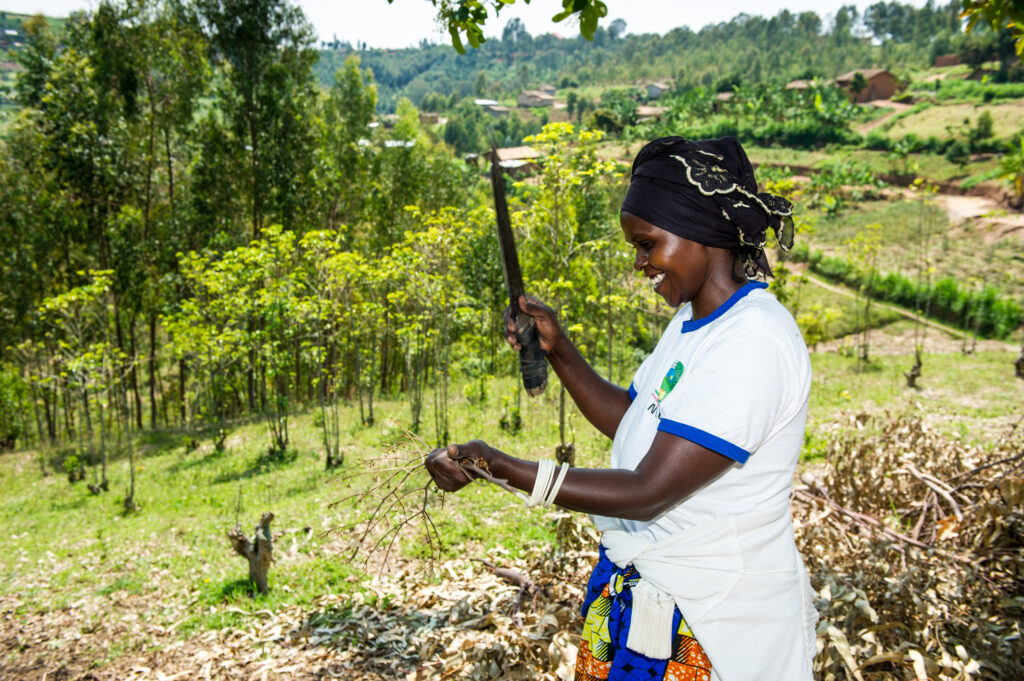
  • 1 bundle would cook 2 meals. Now 1 bundle lasts a week.
  • Wood fuel for 1 day now lasts 4 days.
  • 10 pieces of firewood for 1 day now lasts 1 week. About 30 pieces for a whole month. For those buying, the cost is reduced by about 70%.
  • The first and most frequent response by non stove users to “if you could choose a new cooking method” was “one that uses less firewood”, followed by “less smoke”.

“Right now, I do not even mind getting tired while wood gathering because I know that it is only once in a long while and I forget about it and not like before”.

Health Impacts

  • Respondents noted a very wide range of improvements to the health of their family since using the stove. These improvements were as noticeable among those who had had the stove for 6 months or less as those who had had the stove for >4 years.
  • Constant headaches and loss of appetite from smoke inhalation and sore, running itchy eyes from smoke have gone.
  • Coughs, sore throat and ‘flu’ have reduced because the household air is no longer smoky.
  • Reduction in burns, particularly among children who had to be left unattended by the fire and would also unknowingly step on hot pieces of firewood.

“I had constant headaches all the time due to inhaling too much smoke every single day which are no more. I would spend some time with blurred vision after cooking because of the smoke and crying all the time like as if someone just hit you but now I cook very comfortably”

  • Clean-burn stove and stove use outside means a cleaner home and reduction in ash and soot. Easier to keep children clean, more time to clean home and wash clothes.
  • Reduced child parasite infestations such as jiggers caused by ash and dirt between the toes.
  • More boiled water for children means reduction in incidence of intestinal worms and diarrhoea.
  • Mental wellbeing of family improved due to reduction in stress caused by woodfuel anxiety, inability to provide meals for family and time poverty from cooking duties.

Impacts on Women

Women stove users universally reported the impact for them of time saved by the stove and the activities they now had time for:

  • Keeping the home and compound clean.
  • Fertilising and cultivating more crops, taking better care of animals.
  • Attending community support groups and institutions such as the savings group.
  • Weaving baskets and mats to be sold.
  • Attending family events, socialising with friends.
  • Attending community support groups and institutions such as the savings group.
  • Being able to spend more time with their children. Teaching them skills to help the family like gathering grass for their livestock.

“I get the time to go to financial group meetings where I save money and at the end of the year we share the proceeds. With the money I buy fertilizers for my garden or buy a goat to develop myself and my family”

Impacts on Children

In addition to the many positive health impacts, respondents reported the following improvements to their children’s lives since the arrival of the stove:
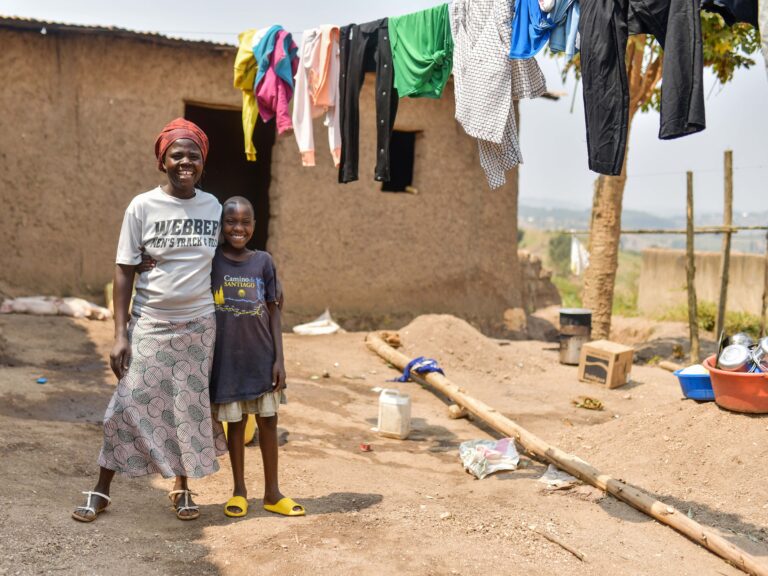
  • Most older children help with cooking.
  • They get time to play with their friends and are not burdened with chores all the time.
  • The children have their meals on time so they go to bed on time and wake up early. Porridge is ready in the morning so they aren’t late for school and don’t miss school because of the burden of wood gathering.
  • They have time and energy to pay attention at school.
  • They are motivated to shower more frequently as they stay cleaner than with the 3 stone fire.
  • Children get more attention and support from their mothers.

“My children were always dirty, lousy and shabby because I did not have time to look at them as I was always busy on the hunt for firewood to start cooking. I am now more organized; I get the time to cook and to take good care of my children; I wash for them and ask them what they are going through and advise them accordingly”

Impacts on the Environment

  • All respondents were aware of the damage to the environment caused by gathering wood for cooking. Soil erosion, surface run-offs floods and mudslides were understood to be consequences of this.
  • Those using stoves noticed the reduction in trees being harvested around their community and the majority knew about tree planting programmes and their importance.
  • Two groups mentioned the link between climate change, protecting trees and increasing rainfall for their crops.
  • They noticed the lack of smoke pollution in the air.
  • Only one respondent mentioned preserving wildlife and nature: more birds because more trees.

“We would always destroy very many trees all at once as we were all looking out for large amounts of firewood. This is different now since we use one bundle of many pieces of firewood for a week or two, we then let and give chance to the remaining trees to grow”

Impacts on the Men

The impact of the introduction of the stove on men’s behaviour and attitudes was explored in an all male group from households who had a stove for >2 years.
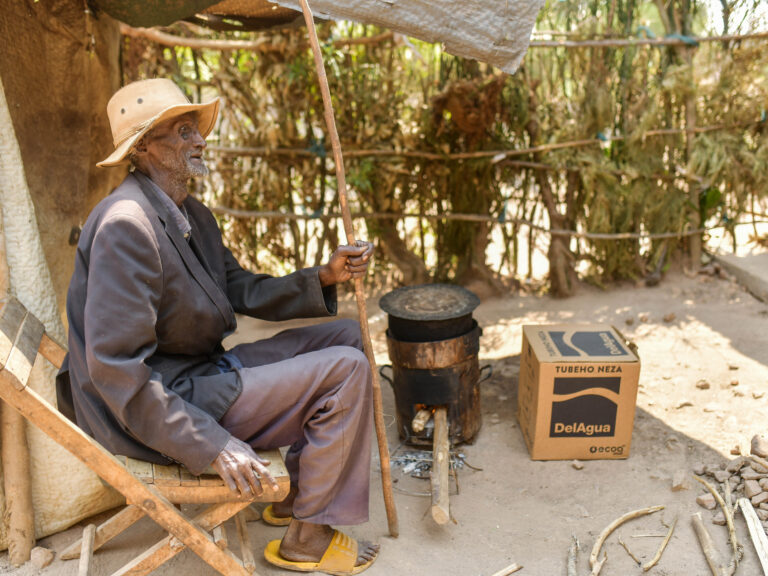
  • The stove has a significant impact in encouraging men to
    participate more in cooking duties. This is corroborated by female respondents.
  • The men find the stove user-friendly compared to previous methods, quick to light and cook, so are willing to use it.
  • They claimed they cooked 2 to 5 times per week. By contrast no men participated in cooking duties in the non-stove group.
  • They recorded how the stove had changed the family dynamic and created more harmony within the household.

“My wife now gets the time to chat with her friends, refresh her mind and recharge or get away from the daily stress”