FOLLOW US ON:
A lot has changed since the first Oxfam-DelAgua Kit was invented by Professor Barry Lloyd at the University of Surrey. DelAgua’s Live Well programme is now the largest clean cooking programme of its kind in the world, transforming lives and nature in rural communities across Africa.

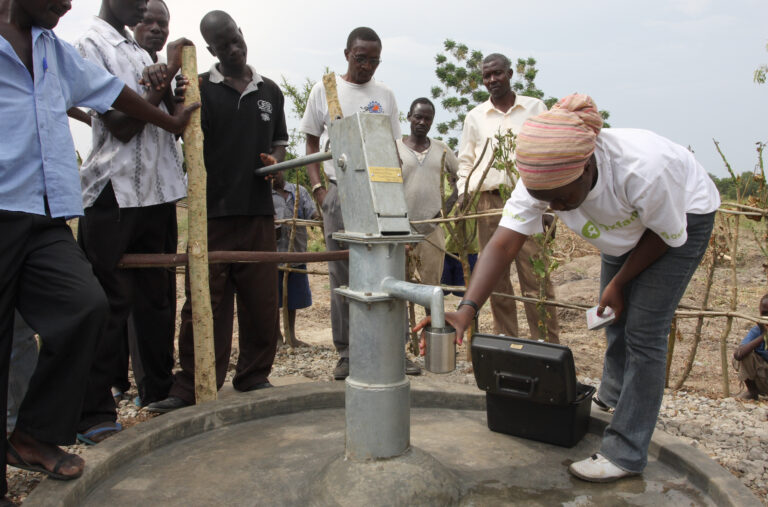
The first Oxfam-DelAgua water testing kit is designed at the University of Surrey in conjunction with Oxfam.
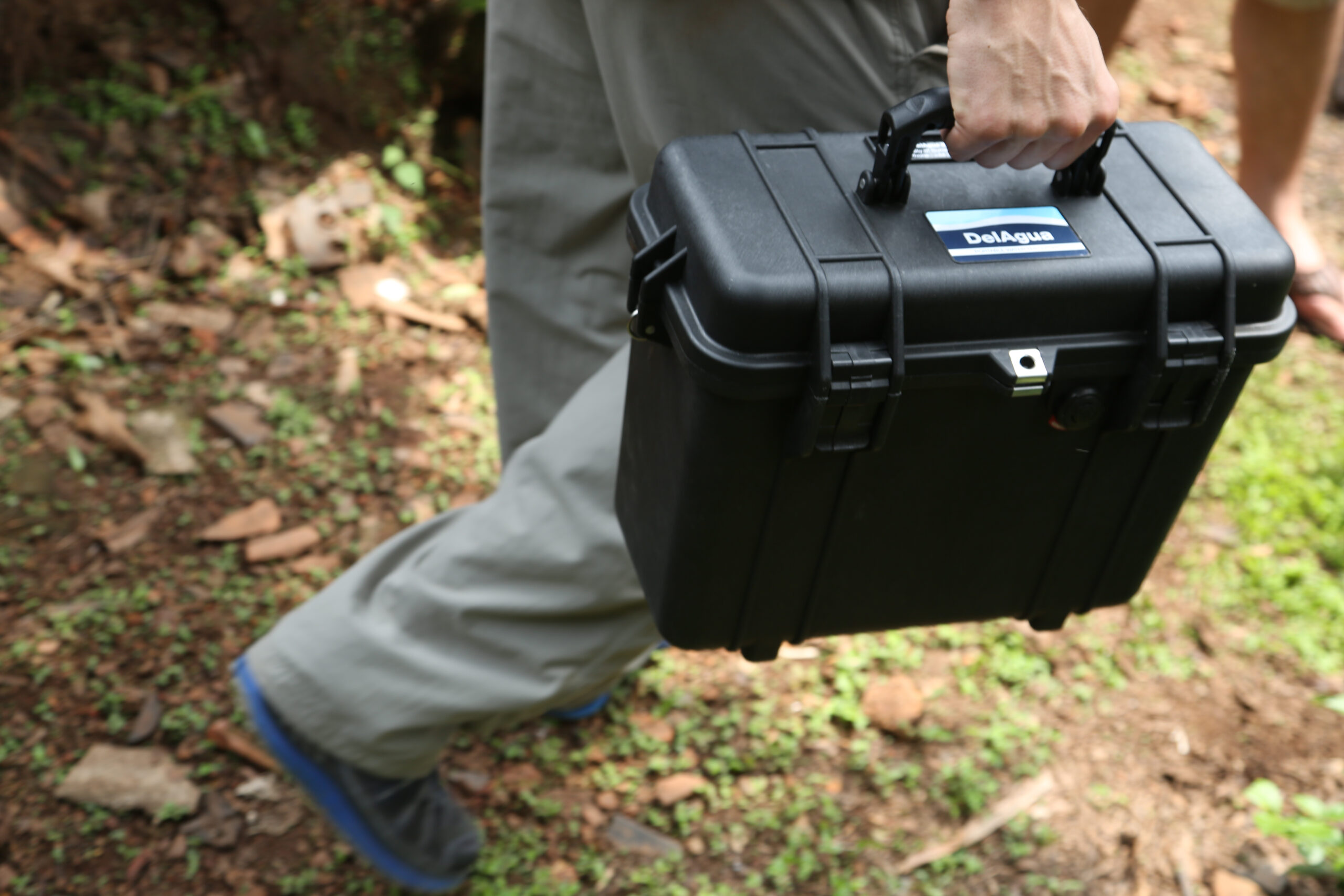
DelAgua spun out of university. Reinvigorated under commercial management. Kit improved and sales grew. Now serving over 150 countries today.
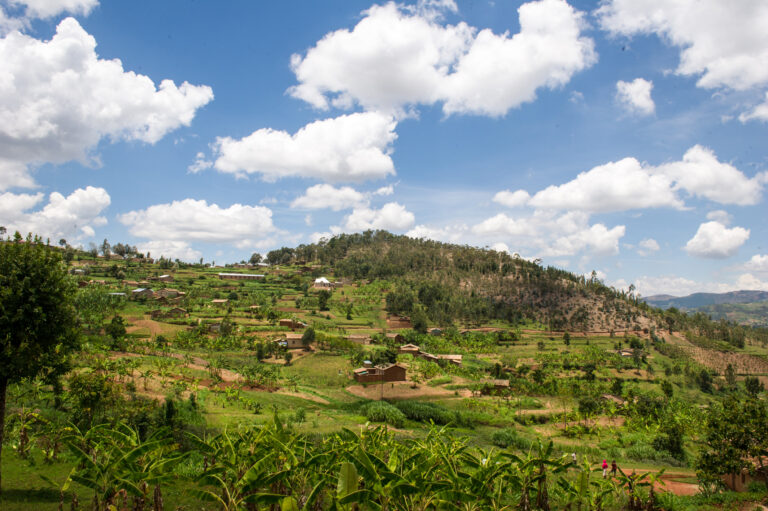
DelAgua registers first carbon credit project in Rwanda with goal of providing 2 million stoves and clean water to the rural population.
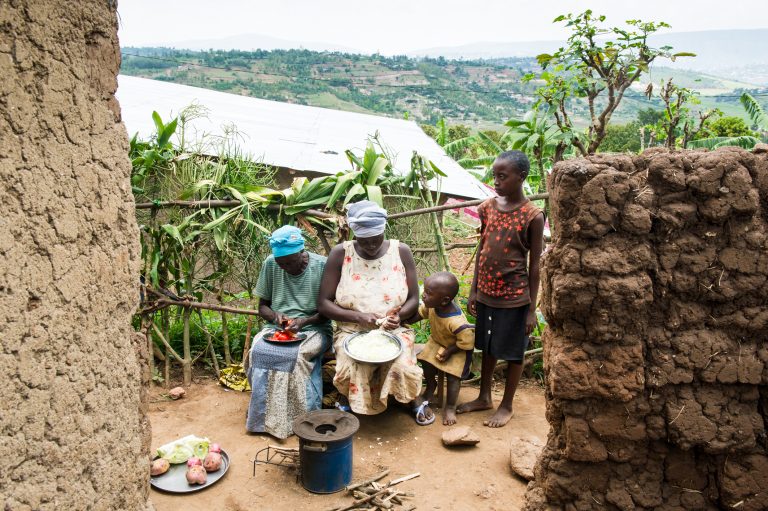
Cookstoves identified as the most effective long-term solution to provide clean drinking water alongside multiple SDG impacts.
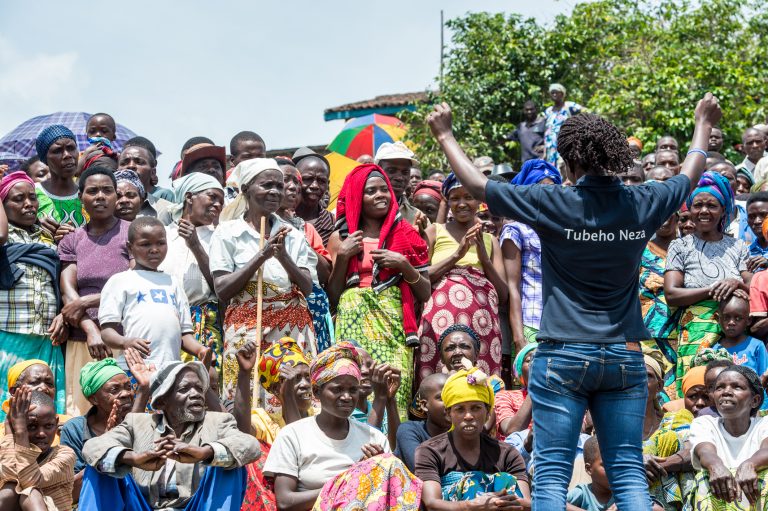
Half a million stoves distributed in Rwanda, reducing carbon emissions, improving health and preserving Rwanda’s forestry and ecosystems.

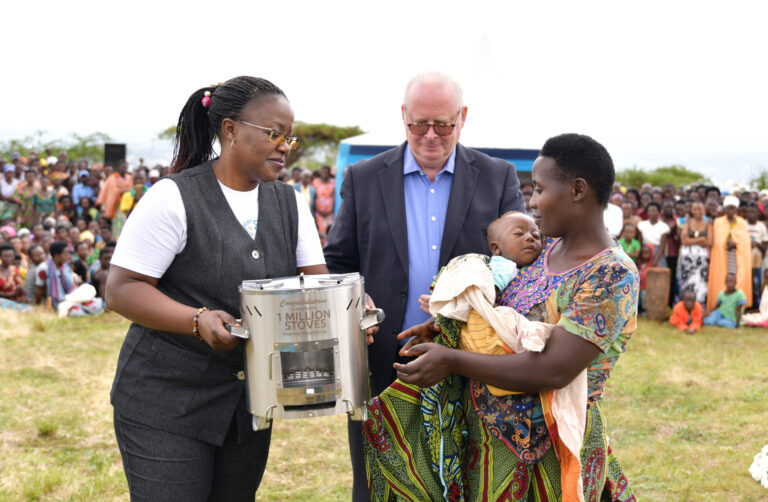
DelAgua signs MoU with Ministry of Environment and Ministry of Economy and Finance to provide 2.3 million stoves across all rural Rwanda.

THE PROBLEM
As a company that specialised in water testing, the obvious next question to answer was, “When a water source is found to be contaminated, what is the solution?”
DWT conducted extensive research, working with organisations such as the Bill & Melinda Gates Foundation, PATH, Halosource, Cascade Design and its own clients including Oxfam, Loughborough University and Islamic Relief , to better understand which technology would be best suited to providing rural communities with a cost-effective method to treat microbiologically contaminated water.
Technologies considered included various forms of chlorination, filtration followed by bromine treatment, purification via exposure to ultra-violet light and filtration.
THE SOLUTION
The solution that emerged as the best to tackle the multiple challenges: low cost, no change to the water taste, minimal behavioural change, was simply to boil water. This could be achieved most efficiently and effectively by using a stove instead of a traditional open fire.
However the end- user cost of a stove was $50 which is prohibitive for an impoverished family living in rural Africa with an average income of $1.9 per day.
So, in 2011, DelAgua explored the concept of carbon credits which would be generated by the stove and then sold to provide the funding for them. Using this model, stoves could be provided by DelAgua to the poorest people free of charge, a market that extends to hundreds of millions of households in Africa alone.
INVESTMENT AND GROWTH
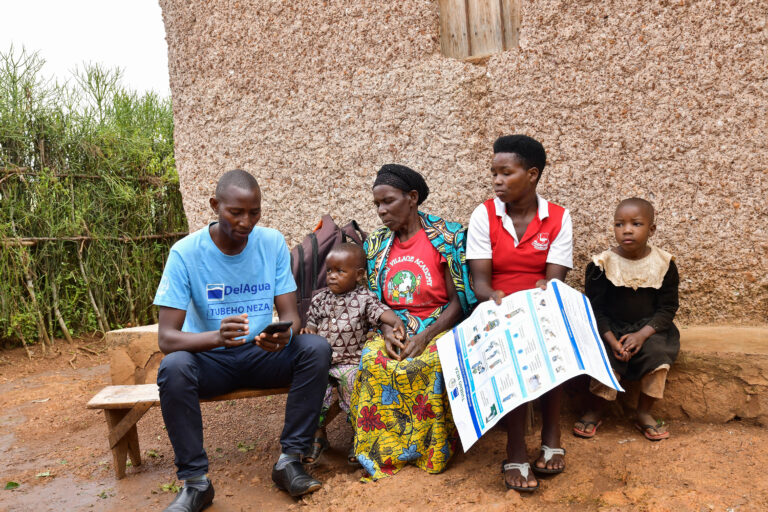
In March 2012, DelAgua chose to partner with the Government of Rwanda to launch our first Tubeho Neza “Live Well” stoves project.
In 2021 DelAgua agreed a further MoU with the GoR to provide a total of 2.3 million stoves to all rural Rwandans. To date the project, funded exclusively by the sale of carbon credits, has distributed over 1.8 million stoves free of charge to rural households, benefiting over 7 million Rwandans.
DelAgua’s success in Rwanda has provided a blueprint for further large scale carbon development projects , always working in partnership with host governments. In 2022 DelAgua signed MoUs with the Governments of The Gambia and Sierra Leone. In 2023 Live Well projects launched in The Gambia and in Sierra Leone. More markets are in the pipeline as LDC governments welcome Live Well’s proven ability to provide clean cooking at scale to their rural populations most in need.
Find out more about the project benefits and user stories.
THE PROBLEM
In order to test water quality, aid agency field workers would have to take a sample and transport it to a laboratory. The sample would often have to travel a long distance, taking a long time and in poor storage conditions. Frequently therefore, the sample was spoiled before the test could be administered. What the aid agencies needed was a portable kit that could test samples in situ for the 5 World Health Organisation (‘WHO’) parameters – microbiological quality, turbidity, free chlorine, total chlorine and pH.
THE SOLUTION
In 1985, the leading water quality monitoring aid agency – Oxfam – approached Surrey University (SU) with this problem and SU subsequently developed an innovative portable water testing kit. Following extensive use in the field by Oxfam operatives, this DelAgua kit quickly became recognised as the premier portable water testing kit used by aid agencies around the world. DelAgua became an internationally well-known and highly respected brand.
Watch our short video below.
INVESTMENT & GROWTH
Cheap competitors entered the market with under- performing imitations that threatened to undermine the portable water testing concept. So, in order to compete and continue to deliver the much needed technology, in 2006 the business was spun out of SU and into a private company – DelAgua Water Testing Limited (DWT) .
DWT invested in overseas manufacturing which cut costs by 50% and improved delivery flexibility, financial information and marketing systems, expanded the range of products sold and grew the customer base. Today DelAgua is the leading portable water testing kit brand with its kits being used in over 150 countries.
FOLLOW US ON: