FOLLOW US ON:
About Our Stove
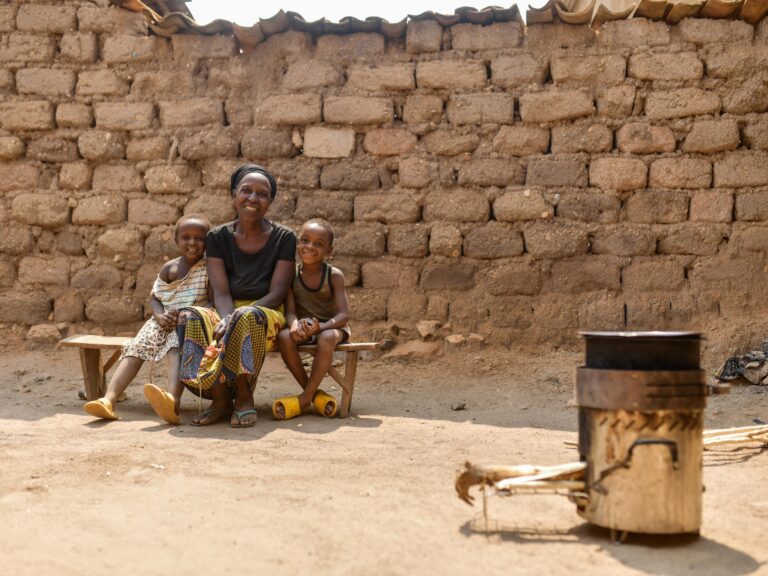
The Live Well stove is manufactured by BURN in Kenya, world experts in the design of fuel efficient cookstoves. The stove uses wood, but just small pieces of twig and tinder, which rural families can gather without encroaching on forestry. Crucially the design of the stove increases thermal efficiency resulting in quicker cooking speeds and much lower fuel requirements. The stove requires 71% less wood than a traditional fire. Small pieces of wood are fed into the stove via a metal rack. As these enter the combustion chamber they burn, with all heat produced funnelled up the chamber and under the cooking pot. A pot skirt is wrapped around the pot that is being used for cooking to further enhance the cooking speeds, increase efficiency and minimise wood usage. Smoke emissions are reduced by 81% and household air pollution cut by 73% when used outdoors. Review independent test results of stove here.
A cheaper mud stove cannot deliver the reliability and step change in performance and health benefits that the Live Well stove provides and is therefore less likely to gain long term daily usage. 87% of households have never had an issue with their stove and we are proud that 95% of our families say that their communities like our products.
DelAgua is constantly reviewing technologies to improve performance, any development however is always done in partnership with our end-users. Whatever technologies are available, our stoves must always be practical, easy to use, safe, durable and affordable. A stove that appears to have some environmental advantages but is not reliable in day to day use will soon be discarded and when that happens the consumer and the environment lose.
We learn from our hundreds of thousands of users through our extensive household visit programme and use these insights and feedback to develop and improve so that the stove is always better for them and better for the environment.
Technical Specification
ISO/ IWA Tier 4 (with pot skirt)
71% less wood than a 3-stone fire
10 year lifetime
81% fewer emissions than an open fire
51% thermal efficiency (43% without pot skirt)
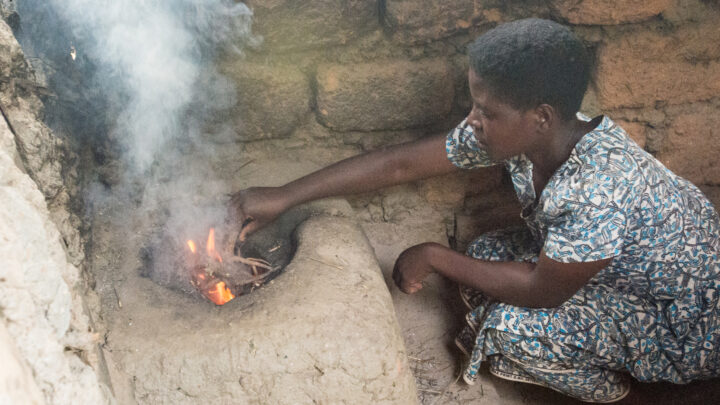
Mud Stove vs. DelAgua Cookstove
A poor quality, mud constructed stove will be cheaper to provide but will not provide the step change in performance and reliability that delivers the benefits that families need to ensure behaviour change and transform health and wellbeing.
Benefits of Our Stove
The stove delivers 5 distinct benefits. These are:
1. Positive environmental impact due to reduced carbon emissions and reduced deforestation.
Environmental impacts are very significant. Traditional cooking practices are a major contributor to greenhouse gas emissions and to deforestation.
Deforestation is reduced significantly. DelAgua stoves reduce wood consumption by 71% and break the cycle of destructive harvesting of trees for fuel. Put simply, the DelAgua stove helps keep trees in the ground.
2. Improved respiratory health and reduction in lung disease through smoke reduction.
Globally, household air pollution is the leading environmental cause of premature death and disability, ahead of unsafe water and lack of sanitation, and causes more deaths than Malaria, HIV and TB combined¹. The DelAgua stove significantly reduces household air pollution: Research by the London School of Hygiene & Tropical Medicine shows that respiratory health is hugely improved due to a 73% reduction in household air pollution when using the stove outdoors. There is a 27.7% reduction in cookstove emission exposure among children. Users value its portability and ease of use. Many other wood stoves are used or built into the kitchen which causes significant smoke inhalation and results in respiratory diseases.
1.Hawken,P.ed.(2018) Drawdown. UK:Penguin
3. Reduction in waterborne diseases through increase in boiling water
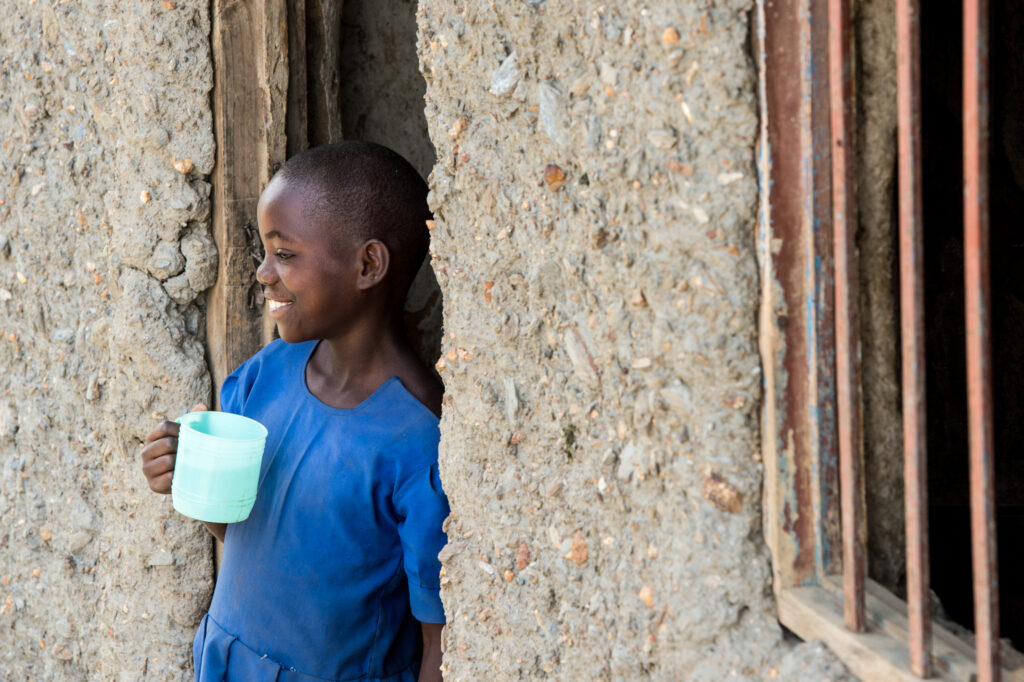
It is much quicker and easier to boil water, so families always have access to safe drinking water.
They can continue to use their local water source but can ensure it’s fit for drinking by boiling in a matter of minutes on the stove. This reduces waterborne diseases and results in a 46% reduction in diarrhoea in children under 5.
4. Significant impact on economic, health and wellbeing outcomes for women and girls due to less time spent gathering fuel, cooking and tending the fire.
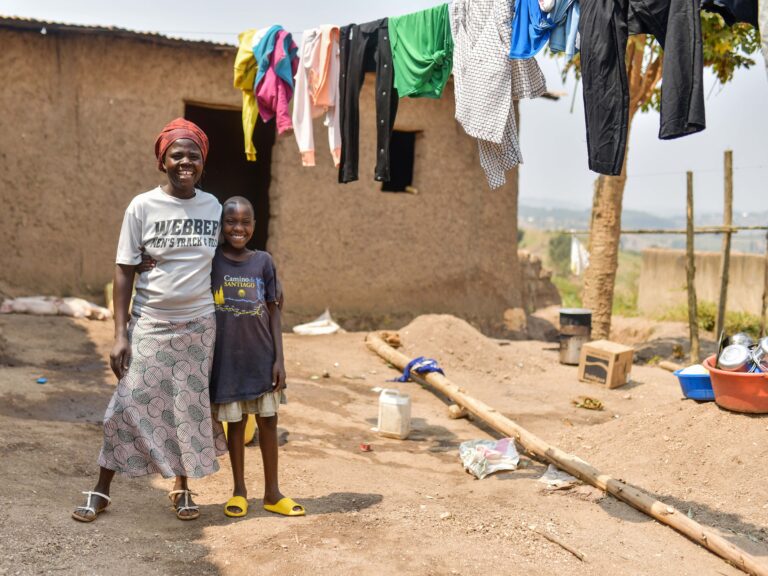
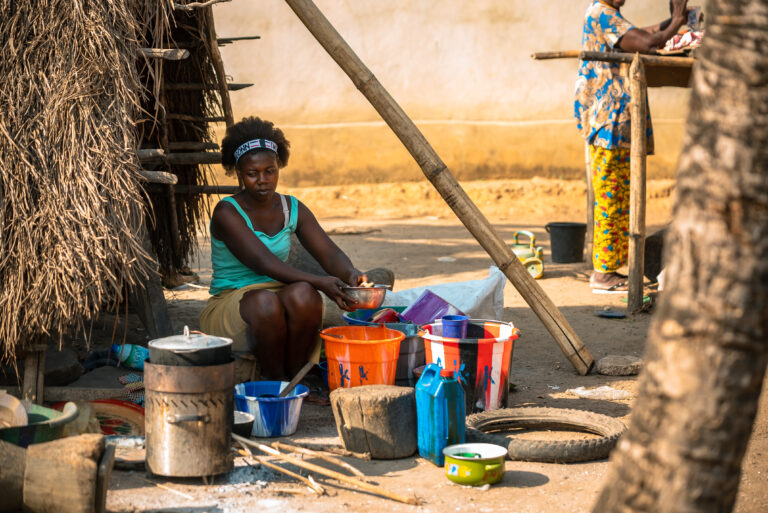
The DelAgua stove delivers significant gender benefits as the recipients no longer spend as much time collecting wood or cooking. The World Bank estimates that for women using traditional 3 stone fires, cooking related duties occupy 8 hours a day. The wood required to use the DelAgua stove is reduced by 71% resulting in 71% less time collecting wood. The stove is quick to light and cooking times are significantly reduced due to the efficiency of the stove. As it is usually the women and young girls in the household who cope with the daily drudgery of the wood collection and cooking this significantly reduces ‘time poverty’ allowing the younger girls more time in school and the women the time to invest in activities other than cooking. Freeing women from the fire and allowing them to engage economically has important long-term benefits for the women.
5. Economic benefits through reduction in household income spent on fuel.
There are immediate tangible economic benefits for DelAgua stove recipients. As a family is using 71% less wood than those families who purchase their wood (as opposed to gathering their wood) their expenditure is reduced by 71%. Biomass cooking fuels are one of the largest expenses for a Rwandan family therefore a reduction of this expense by 71% is a very significant household saving. Over the life of the stove a family will save over $1600 USD as each month the cost of purchasing wood has reduced from $19 USD to $5.50 USD. Furthermore, this saving can benefit the wider community as it allows a family to have a greater disposable income. This income can be spent in the market, repairing homes or sending children to school.
FOLLOW US ON: