
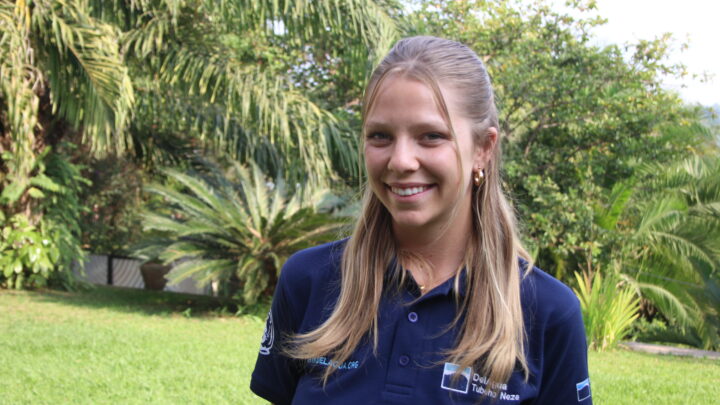
I went into my placement wanting to align my career with social impact, and DelAgua was an obvious fit. But I never anticipated how completely this year would reshape the way I think about business, impact, and the role that markets can play in getting resources to the people who need them most.
DelAgua is one of the most successful companies operating at the intersection of carbon finance and community development, distributing clean cookstoves across Sub-Saharan Africa and generating verified carbon credits that fund that work.
I spent twelve months based in Kigali, joining as a Market Development Analyst and, in March, being promoted to Policy & Market Intelligence Analyst, a title that reflected how much my remit had grown over the year. It was a placement DelAgua extended, and one that saw me take on steadily more responsibility. Alongside my market intelligence work, I collaborated with the Technical Team on software development and helped shape DelAgua’s new policy department.
Rwanda became home for me. Living there gave me the opportunity to integrate into the community: learning to navigate a city on its own terms, building friendships outside the office, and gradually understanding a culture defined by extraordinary resilience and ambition. That context changed how I worked. It sharpened my instinct for what questions actually matter when you’re trying to understand whether a carbon project will work in a given country, not just on paper, but in practice.
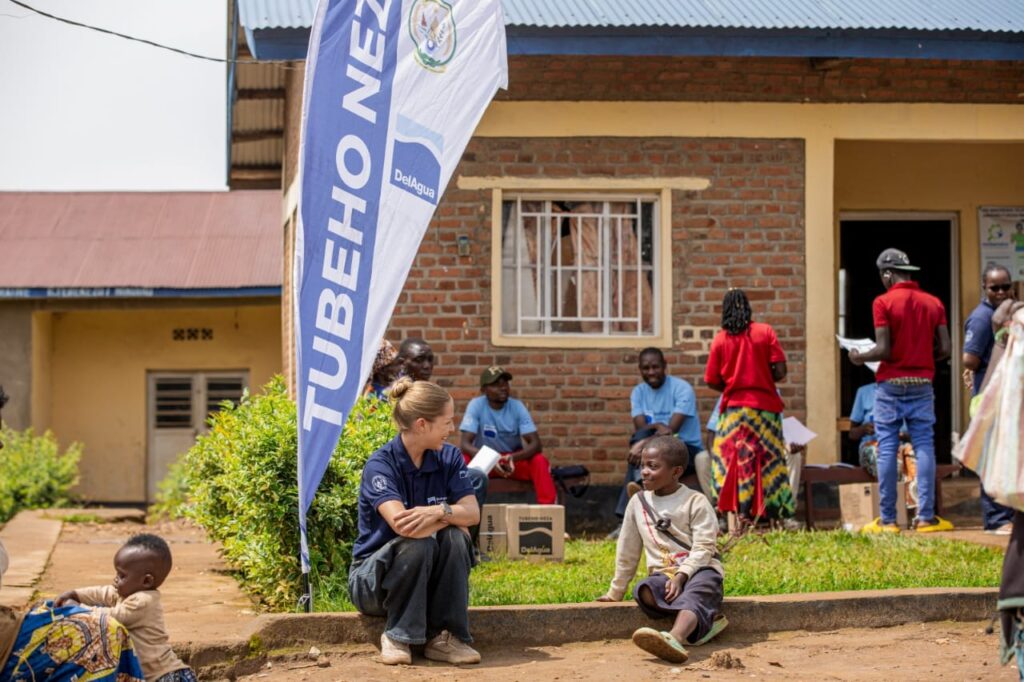
Much of my time was spent on market intelligence and policy. DelAgua’s expansion pipeline spans some of the most complex regulatory environments in the world. I built a dashboard tracking market entry viability across every country in Africa, Asia, and Latin America – pulling together government structures, carbon market frameworks, and project feasibility into one navigable tool. What previously required hours of desk research became something our team could query in real time. I also led a feasibility study on biochar, weighing whether it stacked up technically, commercially, and against the available carbon methodologies, and put together and submitted a proposal for a new cookstove project in Tanzania.
In parallel, a colleague and I rebuilt part of the household beneficiary verification workflow. Until now, beneficiary data has been collected, written out, and typed entirely by hand. We replaced that with an OCR pipeline feeding automated Power Automate workflows, taking the process from fully manual to fully automated and saving an estimated 2,000 human hours for every 250,000 stoves distributed. DelAgua performs at the highest standard of integrity, and verification is a core element of that.
Helping stand up DelAgua’s first Policy department is among the things I’m proudest of from the year. The strongest carbon projects rest on a deep understanding of the policy and governance structures they operate within. Carbon markets are shaped by dense, fast-moving, often contradictory rules, and one of the most valuable things I learnt was how to meet people wherever their understanding sat, translating the same complex material for experts and newcomers alike. This stretched me across a range of hard and soft skills: interpreting regulation and building analytical tools on one side, and translation, stakeholder management, and shaping something the organisation hadn’t had before on the other.
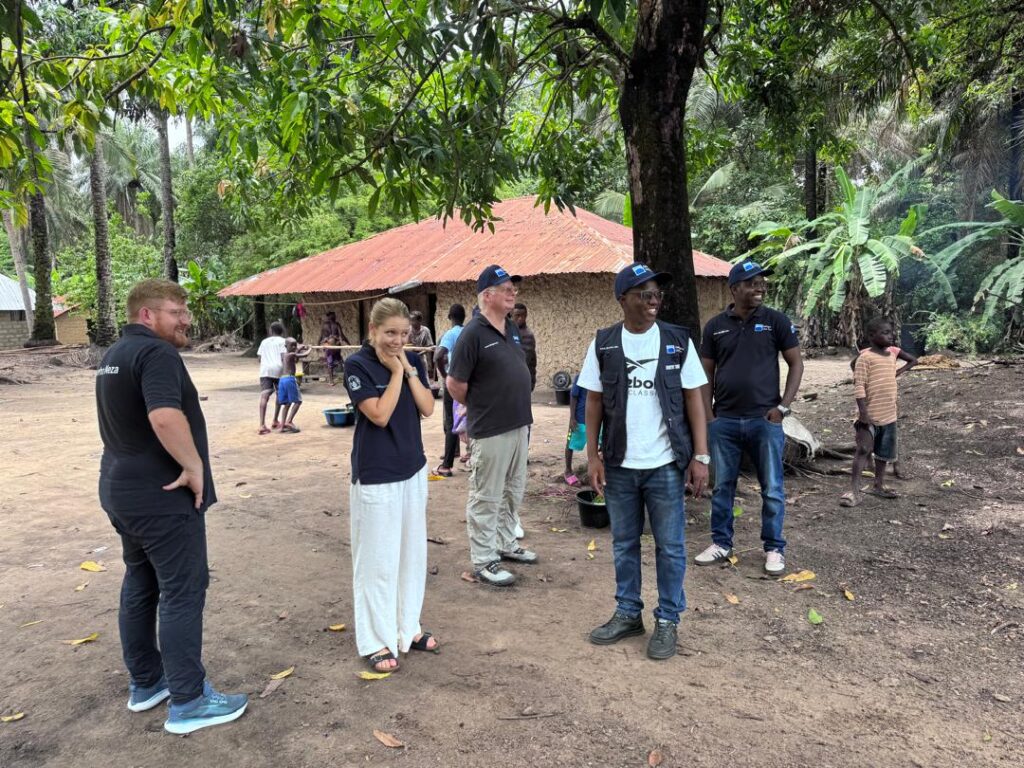
I also had the opportunity to travel to Sierra Leone for field research on DelAgua’s Livẹ Fyn programme, leading a team of ten staff to conduct focus groups and follow-up interviews with several of our beneficiaries. Sitting in the homes of women whose days have been measurably changed by access to clean cooking brought the numbers to life in a way no dataset could. DelAgua’s commitment to going beyond carbon metrics, to actually listening to and documenting what changes in women’s lives, is to me what makes the company so special.
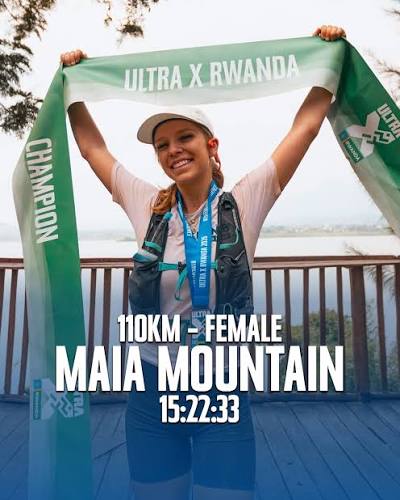
Outside the office, Rwanda gave me more than I could have hoped for. I joined RoadWork Run Club, one of the best communities I’ve encountered anywhere, and used the year to compete in several ultramarathons, including the Rwanda Ultra X and the Marathon des Sables in the Moroccan Sahara, raising £39,000 for humanitarian causes along the way. I also helped launch She Runs Rwanda, a collaborative initiative with Tanga Women’s Collective to encourage more women in Kigali to get active. These experiences reinforced that the most valuable learning happens when you truly integrate into a community.
What this year has crystallised for me is a conviction that profit-generating enterprise and social impact aren’t in tension. Increasingly, they depend on each other. Carbon finance works precisely because it routes private capital toward communities and ecosystems that traditional markets have chronically underserved. DelAgua showed me that model functioning at its best: rigorous, commercially serious, and genuinely accountable to the people it serves.
I came to Rwanda curious about carbon markets. I’m leaving with a much clearer sense of the kind of work I want to build a career around and having seen DelAgua’s model up close, a genuinely high bar for what rigorous, mission-aligned impact looks like in practice. Most importantly, I’m leaving with the deepest appreciation to a country that has taught me so much.
Murakoze, Rwanda.