

In many rural homes across Africa, cooking has long been associated with smoke-filled kitchens and health risks. Recent research conducted by Singoma Ronald and Dr. Denys Uwimpuhwe on the Tubeho Neza programme implemented by DelAgua reveals a powerful shift towards healthier, safer, and more sustainable living. This research assessed the impact of improved cooking technologies, and the findings show significant health, economic, and environmental benefits for rural households in Kiyombe Sector, Nyagatare District, Eastern Province of Rwanda.
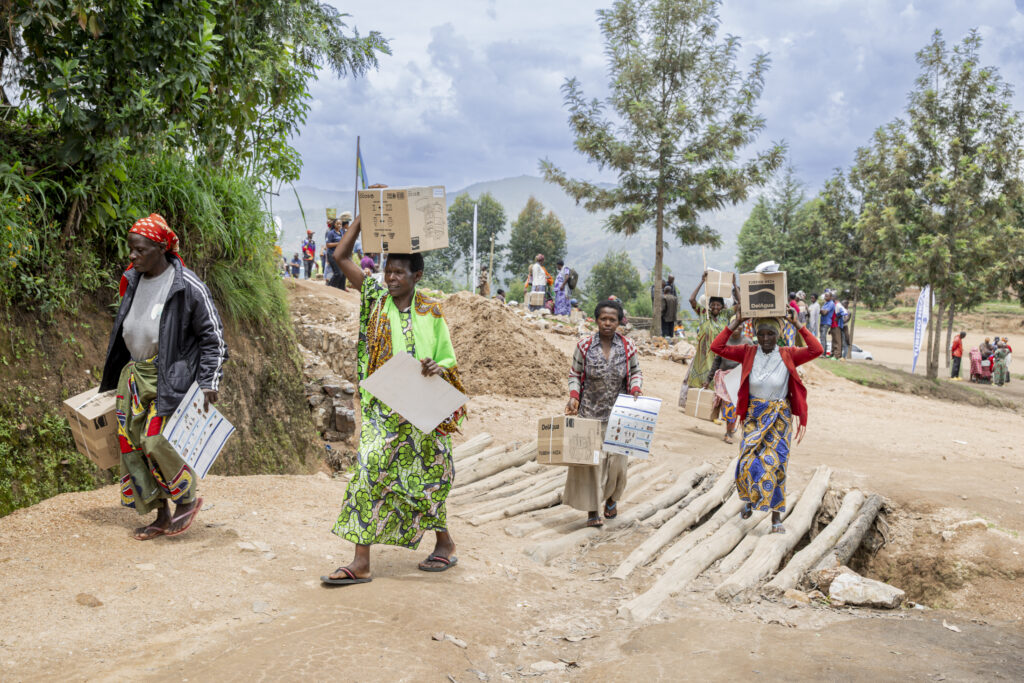
A mixed-methods approach was employed. For the quantitative component, purposive sampling was applied, reaching 367 project beneficiaries in the Kiyombe sector through systematic random sampling. For the qualitative component, purposive sampling was used to select participants for focus group discussions (FGDs). Data were collected from 16 interviewees – 12 local officials at cell and village levels and 4 DelAgua staff. Additionally, three FGDs were conducted, each comprising six participants, to gather in-depth insights from the study area
In Kiyombe sector, 95% of households depend on firewood as their primary cooking fuel (NISR, 2023). The traditional three-stone fire is widely used by many rural households, which contributes to indoor air pollution, deforestation and fuel inefficiency.
The research shows that from the sample of 367 households, 80% of households adopted the Tubeho Neza stove, citing stove quality and energy efficiency as the key differentiators of the stove.

Singoma Ronald, one of the lead researchers said “Respondents affirmed that there have been changes, including reduced pressure on forests. The decreased frequency of fuel collection is attributed to the presence of the technologies received (Tubeho Neza Stoves) in the community. Women say they feel relieved from the routine burden of wood collection, which cost them lots of time, as wood would be collected twice or thrice a week. Additionally, the secured time was used for socio-economic activities that build family growth and development.”
When cooking on the Tubeho Neza stove, 81% reported reduced indoor air pollution, 80.4% reported cleaner kitchens and reduced respiratory issues caused by smoke exposure, where women and children were mostly exposed to smoke.
During the open focus group discussion in February 2025, one respondent shared her experience on the impact of the stove; “Since we received the new cooking technology, Tubeho Neza stove, the air in our cooking area is much clearer, and I can already feel the difference in my family.”
The research also indicates that 77.6% reported that the stove saved them money on fuel, and these savings redirected to livestock, poultry farming, small businesses, and essential needs. Similarly, 80.2% of respondents reported that it reduced time spent collecting firewood and created more time for income generating activities and education for children.
A local entrepreneur mentioned: “Currently, I have more time to focus on my small business, thanks to the reduced time spent gathering firewood.”
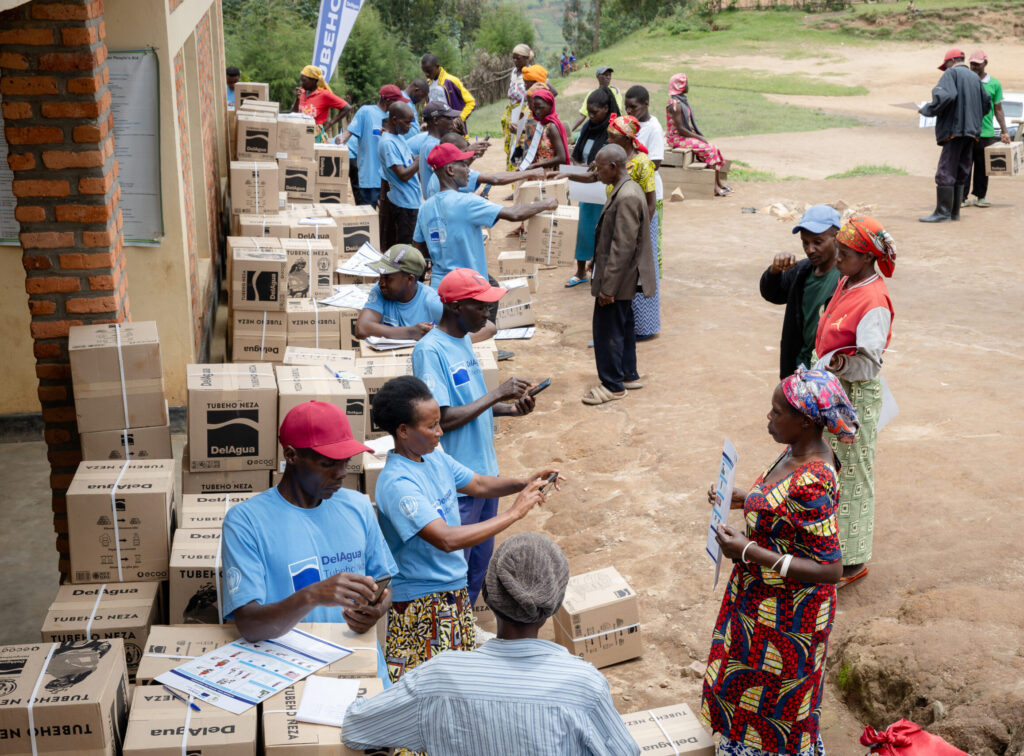
The study demonstrates that improved cooking technologies under DelAgua’s Tubeho Neza Project have a substantial positive impact on socio-economic and environmental sustainability in rural households of Kiyombe Sector, Nyagatare District. These technologies improve health by reducing respiratory problems and indoor air pollution, save time otherwise spent collecting fuel, and generate financial savings that strengthen household economic stability. Environmentally, they reduce deforestation and support climate change mitigation.