
Africa’s carbon markets are gaining momentum; host countries are building frameworks, investors are showing interest, and high quality projects are already delivering supply. What will turn that momentum into lasting growth?
That was the recurring theme across three events DelAgua took part in this October: AFSIC, Carbon Forward Expo, and the Carbon Markets Africa Summit (CMAS) 2026 in Kigali. Our Carbon Finance Manager, Hannah Stockden, represented DelAgua at AFSIC and Carbon Forward Expo. Our CEO, Euan McDougall, and Rwanda Country Director, Monica Keza, attended CMAS.
CMAS 2026: from technical debate to market building
It was a pleasure to welcome industry players to the city we call home, Kigali, for the Carbon Markets Africa Summit. These were open, productive conversations, and they showed how willing governments and the private sector are to work together to make the sector function and overcome its barriers.
“I really felt that governments and the private sector were working together to make this sector work and overcome barriers. There was a lot of dialogue from the governments present, and all were keen to see more investment into carbon markets in their countries.” Euan McDougall, CEO, DelAgua
That collaboration is a strong foundation. To build on it, we believe the sector needs to make three shifts:
AFSIC: capital is looking for African opportunities
AFSIC brought together investors and businesses active across the continent, and the turnout from impact funds, specialty lenders, banks and development finance institutions (DFIs) was strong. For DelAgua, it was a valuable opportunity to build relationships with the full range of capital providers that projects at scale depend on.
On the event sidelines at the Rwanda Investment Summit, the Rwandan High Commission to the UK and several investment funds set out the country’s infrastructure and development opportunities, and explaining how Rwanda is working to attract private capital.
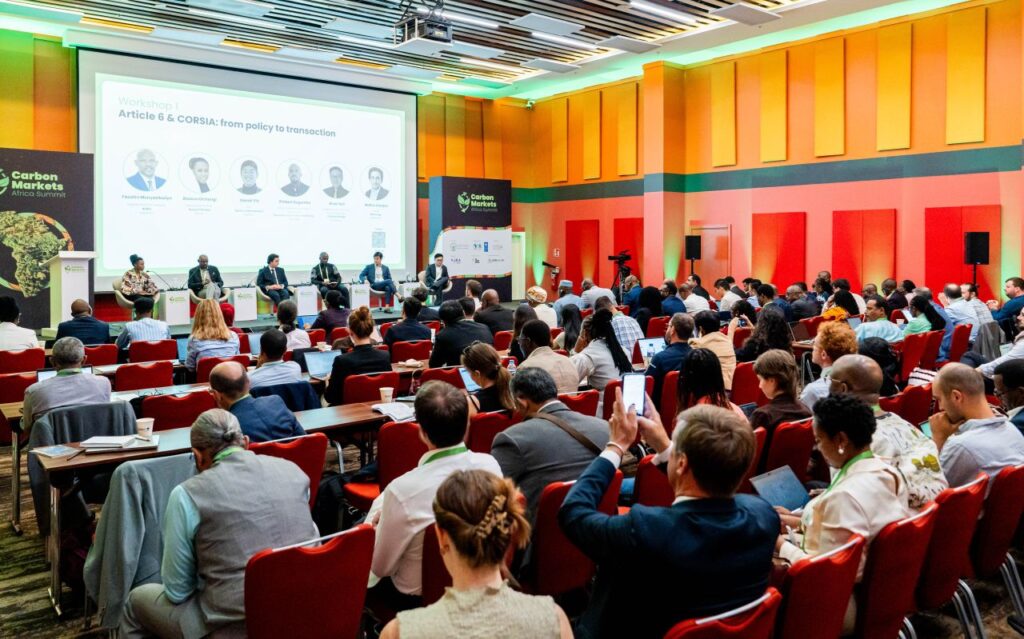
Photo Credit: Carbon Markets Africa Summit
Carbon Forward Expo: CORSIA is worth protecting, and it needs certainty
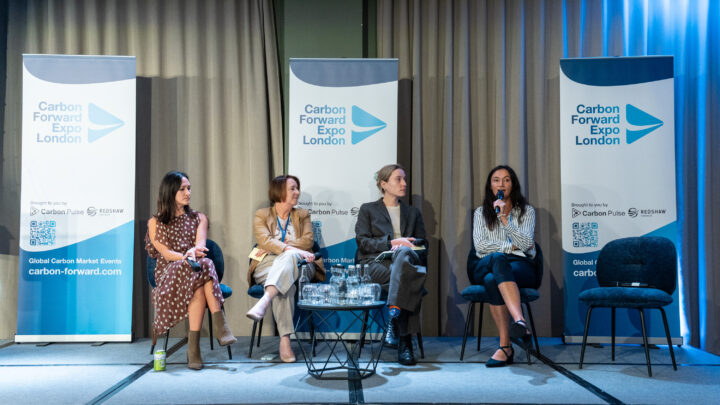
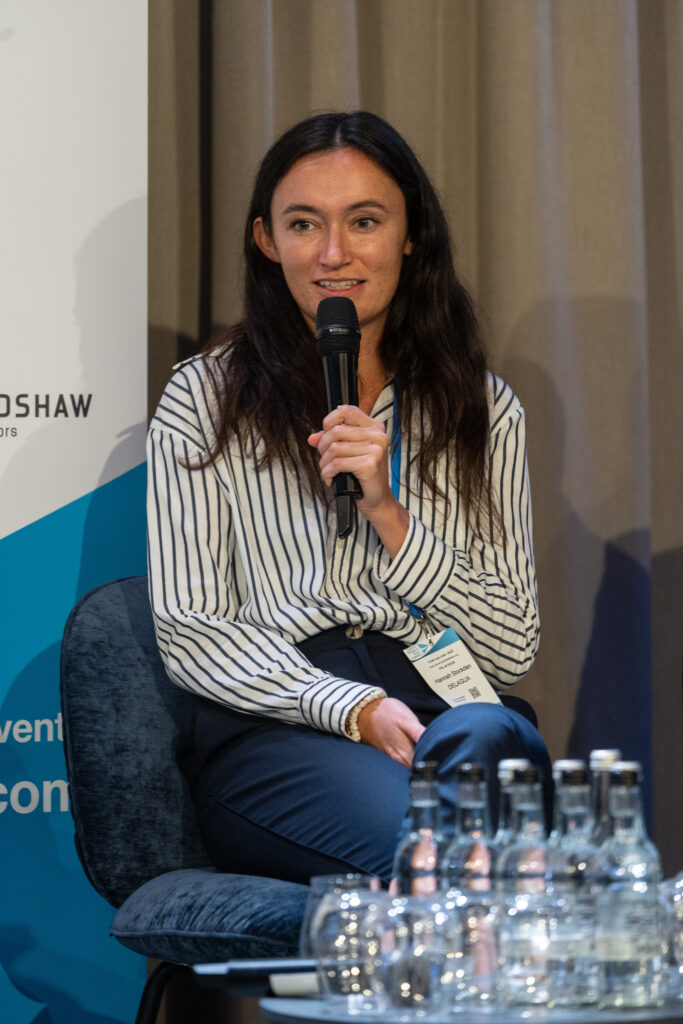
Our Carbon Finance Manager, Hannah Stockden, spoke on two panels at Carbon Forward: “Has CORSIA got the answer and could it be the blueprint for global carbon trade?” and “Trading compliance carbon around the world: A global tour of some of the most active and fast-evolving markets.” CORSIA was at the centre of both discussions. Buyers and investors also called for a single carbon credit product with a known standard of integrity, one that can be used across several markets.
A global solution for a global problem
The CORSIA panel brought together project developers, intermediaries and buyers, including airlines, and there was strong consensus: a global issue like climate change is best met with a global solution. A single, harmonised approach gives the sector a level playing field that supports competitiveness, connectivity and opportunities.
Clear rules unlock full participation
When the rules are set in advance, airlines can engage fully and investors can come to the table with confidence. The next opportunity is to agree how the EU ETS will interact with CORSIA Phase 2; aligning the two without additional eligibility criteria would keep the market unified, keep supply strong, and keep active projects that already generate CORSIA eligible credits on track.
The precedent is encouraging as the EU’s decision not to add eligibility criteria to CORSIA Phase 1 was welcomed, giving airlines and investors confidence that the credits they were assessing would qualify. Extending the same clarity to Phase 2 would set CORSIA up as a fully functioning market.
Article 6 and Africa: willingness is there, viability must follow
African host countries are showing strong willingness to engage with Article 6 and build the frameworks it requires. The incentive is clear: carbon projects such as DelAgua’s Live Well programme provides governments with a key source of revenue and create employment. Two issues will determine whether that willingness turns into investment:
Looking ahead
Across AFSIC, Carbon Forward and CMAS, the direction was consistent. The capital is interested, host countries are willing, and CORSIA offers a credible global route to compliance demand. What will unlock the next stage is certainty: rules set in advance for CORSIA Phase 2, early authorization under Article 6, and a buy side built at the same pace as supply.
Our thanks go to the organizers of CMAS, AFSIC and Carbon Forward Expo, and to all the partners, speakers and delegates for their constructive engagement.